Microsoft Azure Training in Gurgaon Overview

Microsoft Azure Certification Training Gurgaon by Gyansetu is module training program that equips you with knowledge of core Azure services, virtual machines, network configuration, storage services, authentication and authorization methods, security features, monitoring tools, architecture, Azure portal, Azure PowerShell, and Azure CLI. This training will enable you to prepare well for AZ-900 (Azure Fundamentals), AZ-104 (Azure Administrator Associate), and AZ-305 (Azure Solutions Architect Expert).

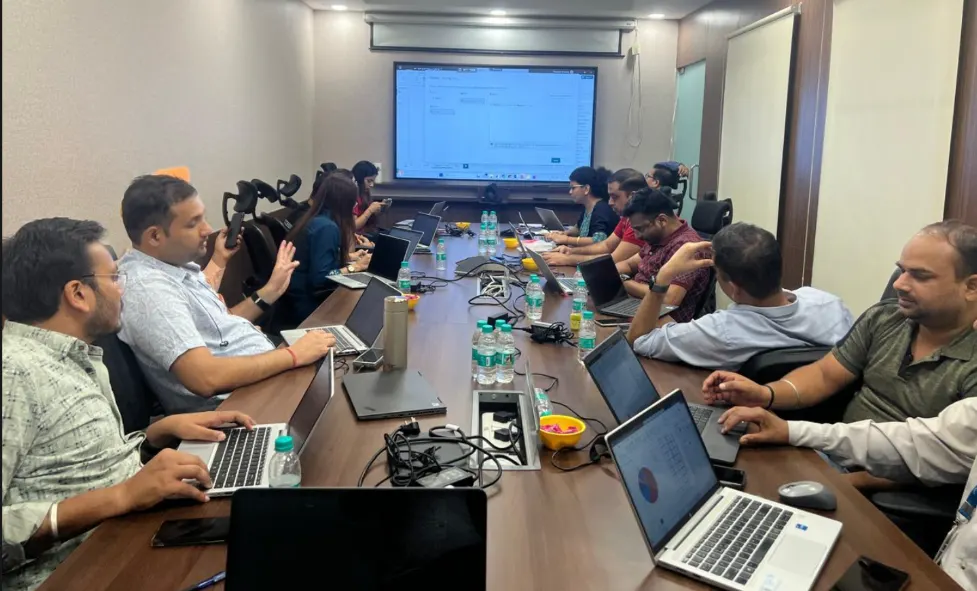
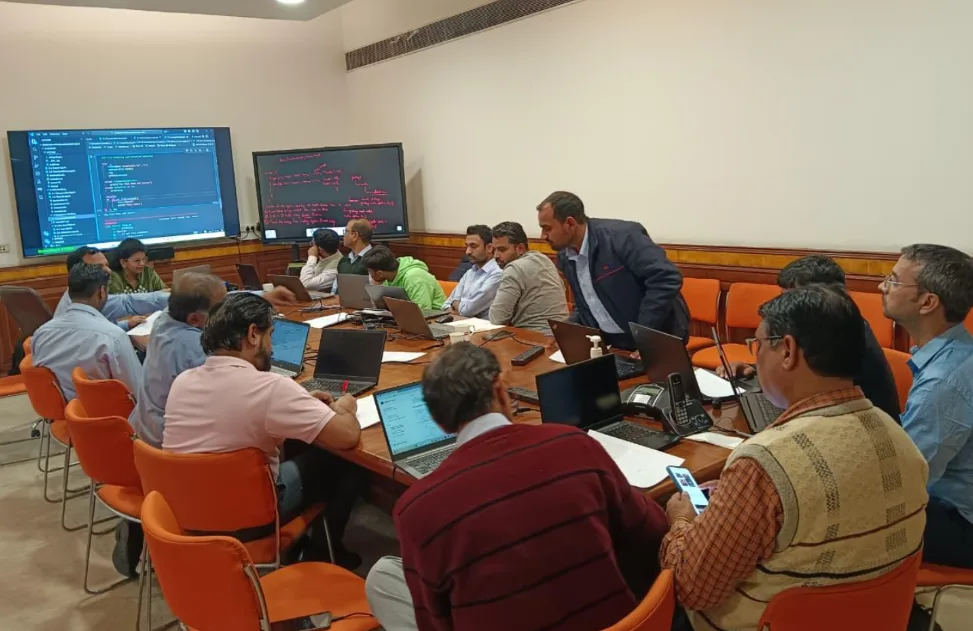
Microsoft Azure Certification Training Gurgaon by Gyansetu is an module training course that is designed for professionals like IT Professionals, System Administrators, Developers, Freshers, Working Professionals who want to learn Azure cloud computing skills. The best part is that no cloud experience is necessary. In addition, you do not need to have any coding knowledge either. However, what you will be doing during your training will be performing live labs on Azure subscriptions.

This is the current state of affairs. India’s Cloud Market is witnessing an annual growth rate of 26% and will result in an increase in jobs related to the cloud by 40%, says KnowledgeHut’s analysis of India’s Cloud market for 2024. In 2026, the demand for Azure DevOps engineers surged 47% year-over-year. Azure certifications add up to 15-25% to the salary, depending on the certification level, where AZ-104 is offered salaries of ₹8-18 LPA, while AZ-305 Solutions Architects command salaries of ₹15-35 LPA. The following companies hire Azure Certified Professionals all year round for their operations in Cyber City, Udyog Vihar & DLF Phase areas of Gurgaon: Microsoft India, Accenture, TCS, Infosys, Wipro, HCL, IBM, Ericsson, Deloitte & KPMG.

Azure is the world’s second most popular cloud computing service, and Azure powers the top cloud in India’s Enterprise IT space, dominating BFSI, Healthcare, Manufacturing & IT Services sectors. All big IT services firms operating in Gurgaon’s tech corridor are in the process of migrating to Azure and hiring certified professionals for the job of managing, administering, and architecture the environment.

The training includes 8 topics: Azure basics and AZ-900 certification, Azure core services and compute, Azure networking, Azure storage and databases, Azure identity and security, Azure monitoring and governance, Azure architecture and AZ-305 preparation, and an Azure lab project as a capstone project. Tools covered are Azure portal, PowerShell, Azure CLI, ARM templates, Azure monitor, Log analytics, Key vault, Azure Entra ID (Active directory), and Azure DevOps (Introduction).

Gyansetu has trained over 32,500 professionals from 50 countries in total since 2013 and placed over 20,000 professionals at companies such as TCS, Infosys, Wipro, Accenture, HCL, and IBM. Microsoft Azure Certification Training is NASSCOM accredited, a certification credential sought after by many IT services companies, MNCs, and GCCs in Gurgaon’s technology zones who screen for azure certification during cloud recruitment rounds.

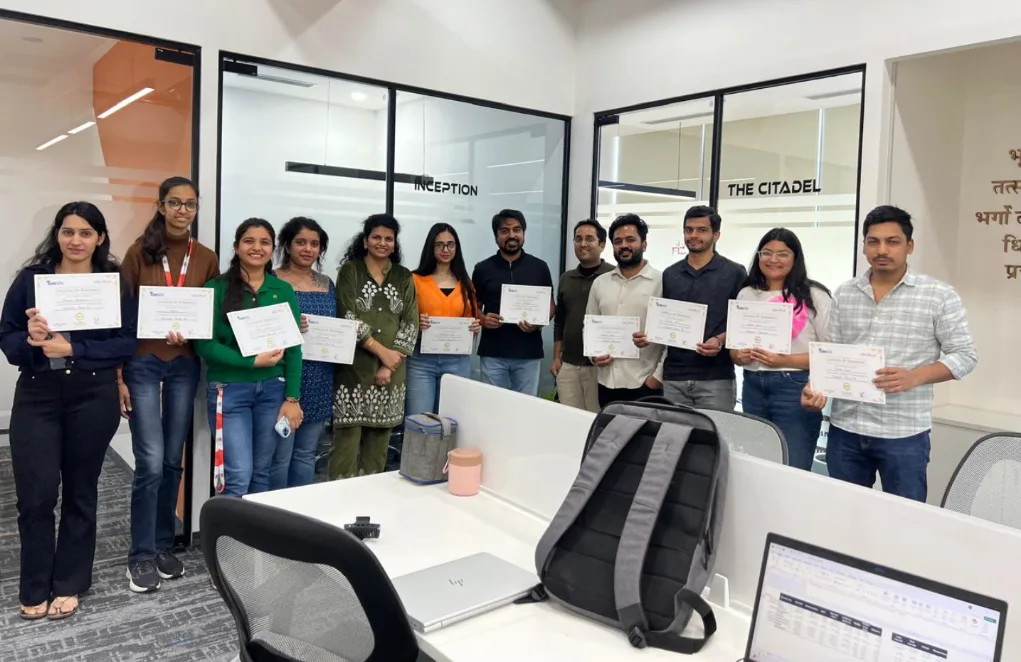
You will have 5 Azure lab projects done, Microsoft certification exams preparation for AZ-900 and AZ-104 certifications, and a NASSCOM registered course completion certificate. It is not a slide deck course. It is a lab course that makes Azure-certified professionals.

Why Choose Gyansetu’s Microsoft Azure Training?

Our Azure training is built on a real-world, lab-first approach that helps you close the gap between certification theory and production-ready cloud skills.

  1. In-Depth Curriculum: Master Azure compute, networking, storage, identity, security, monitoring, automation, and AI services — covering everything AZ-900, AZ-104, and AZ-305 require.
  2. Practical Projects: You’ll work on real-world labs like VM deployment across availability zones, hub-and-spoke network architecture, and a full Entra ID security baseline.
  3. Flexible Duration: Select weekday, weekend, or a 15-day fast-track batch to fit your schedule.
  4. Professional Mentorship: Learn from working Azure administrators and architects with real production experience — not full-time instructors reading slides.
  5. Certification: Prepare fully for AZ-900 and AZ-104, with an introduction to AZ-305, backed by a NASSCOM-registered training certificate.
  6. Placement Assistance: Access hiring networks, resume building, mock interviews, and individualized career guidance for Azure roles.
  7. Live Interactive Classes: Engage in live labs, troubleshooting sessions, and peer discussion — both online and offline.
  8. Portfolio Building: Walk into interviews with 5 documented Azure lab projects plus a deployed capstone environment.
  9. Lifetime Access: Keep access to recordings, lab guides, and updated materials as Azure itself keeps changing.
  10. Tools Mastery: Learn to use Azure Portal, PowerShell, Azure CLI, ARM Templates, Bicep, Key Vault, and Azure Monitor with confidence.

Key Highlights

100% Placement Support
Free Course Repeat Till You Get Job
Mock Interview Sessions
1:1 Doubt Clearing Sessions
Flexible Schedules
Real-time Industry Projects

Placement Stats

stats
Maximum salary hike
85%
Average salary hike
35%

Our Alumni in Top Companies

Microsoft Azure Certification Training Placement Highlights

Priyanka Singh
100 % Hike
MBA
Fresher
SQL Developer
i4t global
Rajat Saini
100 % Hike
Engineering Maintenance & Construction
Fresher
Data Analyst
Atlys

Batches Timing for Microsoft Azure Certification Training

Track Weekdays (Tue-Fri) Weekends (Sat-Sun) Fast Track
Course Duration 2 Months 3 Months 15 Days
Hours Per Day 1-2 Hours 2-3 Hours 5 Hours
Training Mode Classroom/Online Classroom/Online Classroom/Online

Microsoft Azure Professional Certification Training in Gurgaon

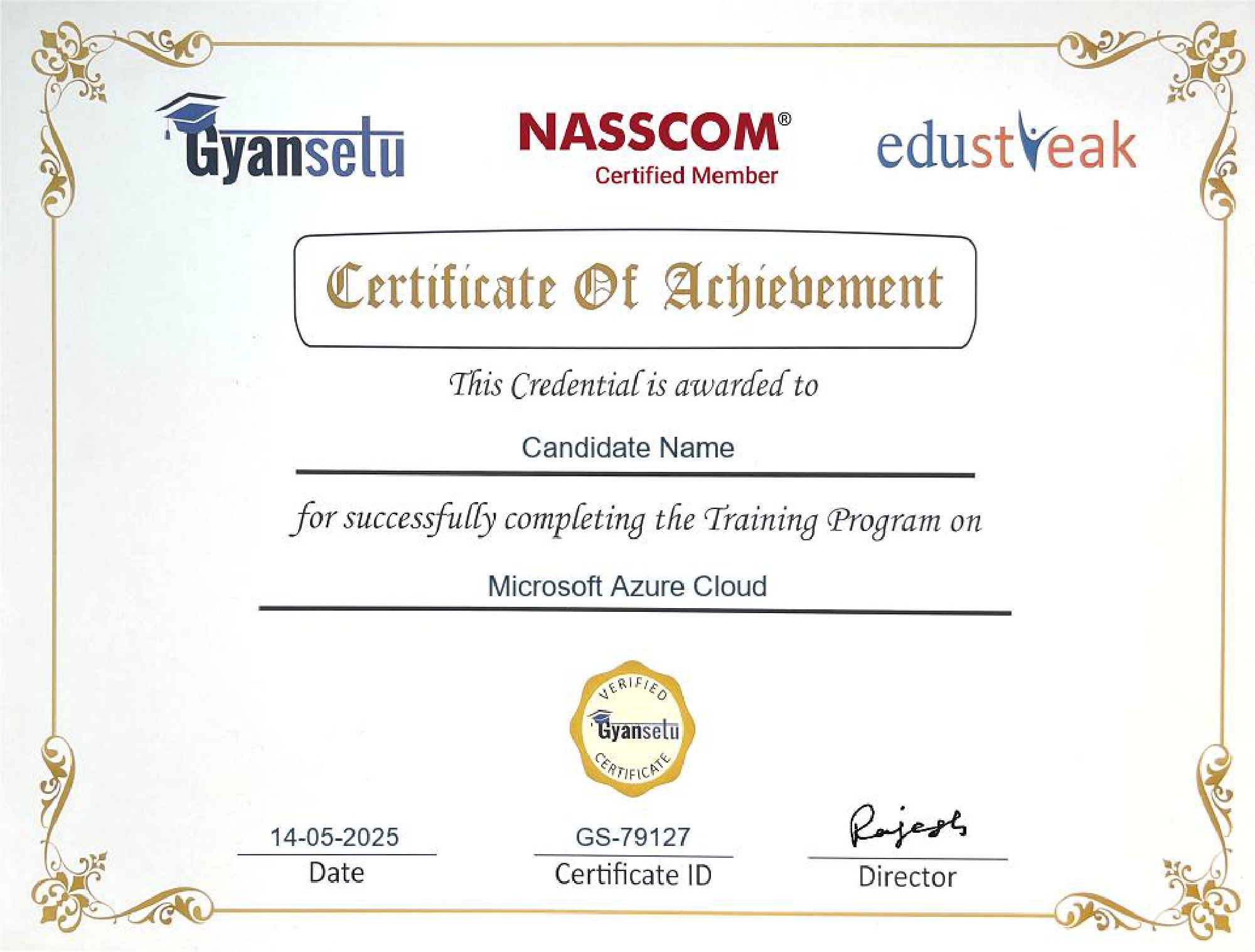
You don’t get handed a badge for showing up. This certification exists because of one basic problem: anyone can write “Azure trained” on a resume. Proving it is a different game entirely.
Our certification confirms you can run real Azure environments — provisioning compute, locking down identity, watching things after they’re deployed. Not just clicking through a portal once and calling it done.
Here’s what makes it worth something:

  • Industry Recognition: IT firms across Gurgaon’s Cyber City and Udyog Vihar corridors know this credential; they’ve seen it before, and that matters more than people assume.
  • Verifiable Authenticity: A unique certificate ID, checkable in under sixty seconds — no guessing whether it’s real.
  • Career Impact: certified Azure professionals move faster into IT services, BFSI, and consulting roles, the sectors currently throwing budget at cloud-skilled hires.

Microsoft Azure Training Curriculum

Microsoft Azure Training CurriculumGyansetu's Microsoft Azure Certification Training in Gurgaon covers 13 modules — from cloud fundamentals and virtual machines through networking, identity and security, monitoring, automation, and Azure AI services. The curriculum is built around live labs on real Azure subscriptions, preparing you for the AZ-900, AZ-104, and AZ-305 certification exams with hands-on practice, not just theory.

Module 1: Cloud & Azure Fundamentals

1.1 What is Cloud Computing?

  • What cloud computing actually is — and what it is not
  • The business case for moving to the cloud
  • On-premises vs Cloud vs Hybrid: real trade-offs
  • IaaS vs PaaS vs SaaS with real Azure examples

1.2 Azure Global Infrastructure

  • Azure Regions, Availability Zones, and Edge Zones explained
  • Shared Responsibility Model — who secures what
  • Azure datacentre footprint in 2026

1.3 Azure vs the Competition

  • Azure vs AWS vs GCP — where Azure wins and where it doesn’t
  • Azure pricing fundamentals: Consumption, Reserved, Spot
Module 2: Azure Portal, Account & Governance

2.1 Account Hierarchy

  • Tenant → Management Groups → Subscriptions → Resource Groups
  • Azure Portal deep dive — every panel you will use daily
  • Azure CLI and Cloud Shell: first commands

2.2 Governance & Policy

  • Tagging strategy for cost allocation and compliance
  • Azure Policy — enforce standards at scale
  • Azure Blueprints for repeatable environments
  • Resource Locks — preventing accidental deletion in production

2.3 Cost Control from Day One

  • Azure Cost Management: budgets and spending alerts
  • Setting up billing alerts before your first VM
Module 3: Virtual Machines & Compute Services

3.1 VM Architecture & Sizing

  • VM series overview: B, D, E, F, N — choosing the right size
  • Burstable vs general-purpose vs memory-optimised VMs
  • Deploying Windows and Linux VMs from portal and CLI

3.2 Storage & Extensions

  • Managed vs unmanaged disks — why managed wins every time
  • OS disks, data disks, and temporary disks explained
  • VM Extensions: Custom Script, Azure Monitor Agent, DSC

3.3 Cost-Optimised Compute

  • Azure Spot VMs — save up to 90% for interruptible workloads
  • Reserved VM Instances — 1-year vs 3-year commitments
  • Azure Dedicated Hosts for compliance requirements

3.4 Beyond VMs

  • VM Image Gallery and custom images
  • Azure Container Instances (ACI) — containers without the cluster
  • Azure Kubernetes Service (AKS) — introduction and when to use it
  • Azure Batch for large-scale parallel compute

4.1 Azure Blob Storage

  • Block blobs, append blobs, and page blobs
  • Hot, Cool, Cold, and Archive tiers — cost vs access trade-offs
  • Lifecycle management policies and blob versioning

4.2 Other Storage Types

  • Azure Files — managed file shares (SMB and NFS)
  • Azure File Sync for hybrid on-premises scenarios
  • Queue Storage for decoupled messaging
  • Table Storage for NoSQL key-value data
  • Azure Data Lake Storage Gen2 for big data analytics

4.3 Security & Redundancy

  • Storage redundancy: LRS, ZRS, GRS, GZRS explained
  • Access keys, SAS tokens, Azure AD auth, and private endpoints
  • CDN integration for global static content acceleration

5.1 Virtual Network Architecture

  • VNet address spaces, subnets, and CIDR planning
  • Network Security Groups (NSG) — rules, priority, and effective rules
  • Application Security Groups (ASG) for logical VM grouping

5.2 Advanced Security & Routing

  • Azure Firewall — managed stateful firewall with threat intelligence
  • User-Defined Routes (UDR) and route tables
  • Azure DDoS Protection: Basic vs Network protection plans
  • Azure Bastion — secure RDP/SSH without public IPs
  • Azure NAT Gateway for predictable outbound connectivity

5.3 Connectivity & DNS

  • VNet Peering: local and global peering
  • Azure VPN Gateway: Site-to-Site and Point-to-Site VPNs
  • Azure ExpressRoute — dedicated private connectivity
  • Azure Private Endpoints and Private Link
  • Azure DNS: public and private zones
  • Network Watcher: packet capture and connection troubleshooting

6.1 Microsoft Entra ID (Azure AD)

  • Azure AD → Microsoft Entra ID: what changed and why it matters
  • Users, Groups, and Guest accounts
  • RBAC: built-in roles vs custom roles, scope levels

6.2 App Identity & Managed Access

  • App Registration and Service Principals
  • Managed Identities — eliminating stored credentials entirely
  • Privileged Identity Management (PIM) — just-in-time access

6.3 Advanced Security & Compliance

  • Conditional Access Policies — risk-based access control
  • Multi-Factor Authentication (MFA) and passwordless options
  • Entra ID Connect — hybrid identity with on-premises AD
  • Azure AD B2B — external collaboration
  • Azure AD B2C — customer identity for your applications
  • Microsoft Defender for Identity
  • Zero Trust architecture principles applied to Azure

7.1 Azure Monitor & Log Analytics

  • Azure Monitor: the unified monitoring platform
  • Metrics vs Logs — when to use each
  • Log Analytics Workspace setup and data ingestion
  • Kusto Query Language (KQL) essentials for cloud ops

7.2 Application & Infrastructure Insights

  • VM Insights for performance and dependency mapping
  • Application Insights for app-level telemetry
  • Azure Monitor for Containers (AKS monitoring)
  • Diagnostic Settings — routing logs to Log Analytics, Storage, Event Hubs

7.3 Alerting & Dashboards

  • Metric alerts, log alerts, and action groups
  • Azure Workbooks for custom dashboards
  • Azure Service Health and Resource Health
  • Microsoft Sentinel integration basics — SIEM overview

8.1 Availability Fundamentals

  • SLA calculations: what 99.9% vs 99.99% means in real downtime minutes
  • Availability Zones vs Availability Sets — choosing the right model
  • VM Scale Sets (VMSS) — auto-scaling at the infrastructure level

8.2 Load Balancing & Traffic Management

  • Azure Load Balancer: Standard vs Basic, internal vs external
  • Azure Application Gateway: Layer 7 load balancing and WAF
  • Azure Traffic Manager — DNS-based global load balancing
  • Azure Front Door — global HTTP/S with WAF, CDN, and failover

8.3 Backup & Disaster Recovery

  • Azure Site Recovery (ASR) for VM disaster recovery
  • Azure Backup: VM, file, and long-term retention
  • RTO vs RPO — planning your recovery strategy
  • Business Continuity Planning framework on Azure

9.1 CLI, PowerShell & ARM

  • Azure CLI: advanced scripting patterns for production use
  • Azure PowerShell: Az module essentials and automation scripts
  • ARM Templates: structure, parameters, linked templates, what-if deployments

9.2 Azure Bicep — Modern IaC

  • Bicep vs ARM vs Terraform — when to use which in 2026
  • Bicep modules and reusable components
  • Bicep deployment stacks
  • Azure Policy as Code — deploying policies via Bicep

9.3 CI/CD Pipelines

  • Azure DevOps: Pipelines, Repos, Boards, Artifacts
  • GitHub Actions for Azure — OIDC-based authentication (no stored secrets)
  • Azure Automation: runbooks and Desired State Configuration (DSC)
  • Deployment patterns: blue-green, canary, and ring deployments

10.1 Azure SQL Family

  • Azure SQL Database — service tiers: General Purpose, Business Critical, Hyperscale
  • SQL Elastic Pools for multi-tenant cost optimisation
  • Azure SQL Managed Instance for full SQL Server compatibility

10.2 NoSQL & Open Source

  • Azure Cosmos DB — APIs: Core SQL, MongoDB, Cassandra, Gremlin, Table
  • Consistency levels explained in plain English
  • Azure Database for PostgreSQL Flexible Server
  • Azure Database for MySQL Flexible Server

10.3 Caching, Analytics & Security

  • Azure Cache for Redis — caching patterns and use cases
  • Azure Synapse Analytics — data warehousing overview
  • Private endpoints and security for managed databases

11.1 Azure App Service

  • App Service Plans: tiers, scaling, and cost optimisation
  • Deployment slots for zero-downtime deployments
  • Custom domains, SSL certificates, and Easy Auth

11.2 Azure Functions & Serverless

  • Function triggers: HTTP, Timer, Blob, Queue, Event Grid, Service Bus
  • Durable Functions for stateful serverless workflows
  • Consumption vs Premium Plan — cold start mitigation
  • Azure Container Apps — serverless containers with KEDA autoscaling

11.3 Messaging & Integration

  • Azure Service Bus: queues, topics, and subscriptions
  • Azure Event Grid for event-driven architectures
  • Azure Event Hubs for high-throughput telemetry ingestion
  • Azure Logic Apps — low-code workflow automation
  • Azure API Management (APIM) — gateway, versioning, and policies

12.1 Azure OpenAI Service

  • Available models in 2026 and model selection criteria
  • Prompt engineering for enterprise use cases
  • Azure OpenAI vs OpenAI API — data privacy and compliance differences
  • Content filtering and responsible AI guardrails

12.2 Azure AI Services

  • Azure AI Search — RAG (Retrieval-Augmented Generation) architecture
  • Azure AI Document Intelligence — extract data from PDFs and forms
  • Azure AI Vision: image analysis, OCR, and object detection
  • Azure AI Language: sentiment, entity recognition, summarisation
  • Azure AI Speech: speech-to-text and text-to-speech

12.3 Responsible AI & Governance

  • Microsoft Responsible AI framework: fairness, reliability, privacy
  • EU AI Act implications for Azure workloads in 2026

13.1 Azure Pricing & Cost Analysis

  • Azure pricing model: consumption, reserved, hybrid benefit
  • Azure Cost Management + Billing: dashboards and cost analysis
  • Azure Advisor cost recommendations — automated savings identification
  • Right-sizing VMs with Azure Advisor and Monitor data

13.2 Cost Optimisation Tools

  • Azure Reservations: 1-year vs 3-year savings commitments
  • Azure Hybrid Benefit for Windows Server and SQL Server licences
  • Azure Savings Plans: flexible commitment pricing
  • Spot VMs for batch and interruptible workloads

13.3 FinOps Governance

  • FinOps Foundation framework applied to Azure
  • Showback vs chargeback models for internal cloud billing
  • Cost allocation with tags and Management Group hierarchies
  • Cost governance with Azure Policy and Budgets

Industry Ready Microsoft Azure Projects

You will create five different Azure labs in each of the modules, along with a complete capstone project. All of the projects will be created using an Azure subscription that is live. All of the projects will be creating Azure resources rather than completing a tutorial through screenshots. All of the projects will reflect exam objectives for AZ-104 certification.
icon
Designed by Industry Experts
icon
Get Real-World Experience
AZ-900 Mock Exam and Gap Analysis
  • What you build: An entire AZ-900 exam simulation test taken within exam-like conditions – 40 questions in 60 minutes, scored with a gap analysis that pinpoints the objective weaknesses. The gap analysis is what you will use as a revision guide leading up to your AZ-900 exam.
  • Tools used: Azure Portal (exploration), AZ-900 practice environment
  • What it proves: The fact that you’re prepared for the actual AZ-900 exam, along with an effective revision strategy, and not merely advice to “study more.” The AZ-900 certificate is your ticket to employment at any Azure company in Gurgaon.
Azure VM and Compute Deployment
  • What you build: An end-to-end Azure compute environment – including two VMs (Windows Server & Linux VM) provisioned in two availability zones, customized script extension, managed disks Premium SSD, Azure Bastion setup, and Azure Backup with 30 days retention policy.
  • Tools used: Azure Portal, PowerShell, Azure CLI
  • What it proves in an interview: By demonstrating your proficiency in configuring Azure VMs in a production environment rather than creating a simple VM using the portal. Azure Virtual Machine Management remains the most extensively tested topic of the AZ-104 exam, as well as the most frequent day-to-day activity performed by Azure administrators from TCS, Infosys, and Accenture’s Gurgaon clouds.
Azure 3-Tier Network Architecture
  • What you build: A full Azure hub-and-spoke network comprising a hub VNet with Azure Firewall, a spoke VNet with subnets for web and application servers, NSG rules controlling traffic based on tiers, an Azure Load Balancer directing traffic to web VMs, VNet Peering between the hub and spoke VNets, and an Azure Bastion server for VM access.
  • Tools used: Azure Portal, PowerShell, ARM Templates, Network Watcher
  • What it proves in an interview: That you can explain the Azure networking architecture in depth, which is one of the toughest topics in AZ-104, differentiating between junior Azure administrators and mid-level ones. Networking questions form the majority of AZ-104 technical screening questions at Gurgaon’s cloud-first companies.
  • What you build: The entire security solution in Azure – Entra ID including MFA through Conditional Access policies, RBAC roles assigned to 3 resource groups with custom roles, Azure Policies to enforce resource tagging, Key Vault where you save 3 application passwords along with access policies and Defender for Cloud where security assessments and recommendations have been implemented.
  • Tools used: Azure Entra ID, Azure Policy, Key Vault, Defender for Cloud, PowerShell
  • What it proves in an interview: Your ability to implement the security layer of Azure – the very aspect that any Azure Administrator or Architect is responsible for when deployed in a production environment. Security questions are always asked on the AZ-104 and AZ-305 certifications. Also, 3 scenario-based security questions will be asked by IBM, Deloitte, and KPMG on your technical screens in Gurgaon.
  • What you build: An end-to-end 3-tier solution on Microsoft Azure that covers all components in the context of your fictional company’s brief – including designing according to your requirements, deploying using the Azure portal and ARM templates, securing using Entra ID and Key Vault, monitoring with Log Analytics and alerts, and documenting with an architecture diagram.
  • Tools used: Azure Portal, PowerShell, Azure CLI, ARM Templates/Bicep, Azure Entra ID, Key Vault, Azure Monitor, Log Analytics, Defender for Cloud
  • What it proves in an interview: Everything. It goes without saying that an Azure expert who logs onto the Azure portal in an interview, shows his/her skills of deploying multi-tier environments, elaborates on an RBAC matrix and runs a Log Analytics query would have reached a stage that many people who passed their AZ-104 cannot even comprehend.
clock-icon
80+
Hours of content
video
20span>+
Live sessions
hammer
10+
Tools and software

Microsoft Azure Skills you can add in your CV

What Sets This Program Apart?

GyanSetu
Other Courses
mentorship Industry Mentors

✔ Working Azure administrators & architects
✔ 15+ yrs cloud experience
✔ Currently active professionals

✘ Theoretical trainers
✘ No real cloud exposure

all-in-one Complete Toolkit

✔ Azure Portal to PowerShell/CLI
✔ ARM Templates + Bicep
✔ Networking + Security
✔ Azure AI Services

✘ Limited syllabus
✘ No AI tools
✘ Outdated curriculum

progress-icon Beginner to Pro Roadmap

✔ Starts from basics
✔ Step-by-step learning
✔ No cloud experience needed

✘ Assume experience
✘ No structured path

empowered Cloud-Powered Learning

✔ Live Azure subscription labs
✔ Real dashboard monitoring
✔ Automation workflows

✘ No hands-on cloud exposure
✘ Only traditional IT tools

focused Career Specialization

✔ AZ-900 Fundamentals Track
✔ AZ-104 Administrator Track
✔ AZ-305 Architect Track

✘ One-size-fits-all
✘ No certification alignment

exposure Real Industry Projects

✔ 5 live Azure lab projects
✔ 1 full capstone environment
✔ Compute, network, security, monitoring use cases

✘ 1–2 basic projects
✘ Academic examples only

expertise Practical Learning

✔ 70% hands-on
✔ VM deployment + networking
✔ Live Log Analytics queries

✘ Theory-heavy
✘ Limited practice

practice Career Support

✔ Resume building around lab projects
✔ Interview prep for AZ-104 screens
✔ Hiring guidance with named companies

✘ No structured support
✘ No networking

course in gurgaon
Who is this course for?
  • IT Professionals & System Administrators
  • Developers Moving Into Cloud Infrastructure
  • Freshers With No Cloud Experience
  • Working Professionals Targeting Azure Certification
  • Anyone Preparing for AZ-900, AZ-104, or AZ-305

Career Assistance for Microsoft Azure Classes

briefcase
Job Opportunities Guaranteed

Get a 100% Guaranteed Interview Opportunities Post Completion of the training.

lock
Access to Job Application & Alumni Network

Get chance to connect with Hiring partners from top startups and product-based companies.

Mock Interview Session

Get One-On-One Mock Interview Session with our Experts. They will provide continuous feedback and improvement plan until you get a job in industry.

Live Interactive Sessions

Live interactive sessions with industry experts to gain knowledge on the skills expected by companies. Solve practice sheets on interview questions to help crack interviews.

lock
Career Oriented Sessions

Personalized career focused sessions to guide on current interview trends, personality development, soft skill and HR related questions.

briefcase
Resume & Naukri Profile Building

Get help in creating resume & Naukri Profile from our placement team and learn how to grab attention of HR’s for shortlisting your profile.

Top Companies Hiring for Microsoft Azure Role

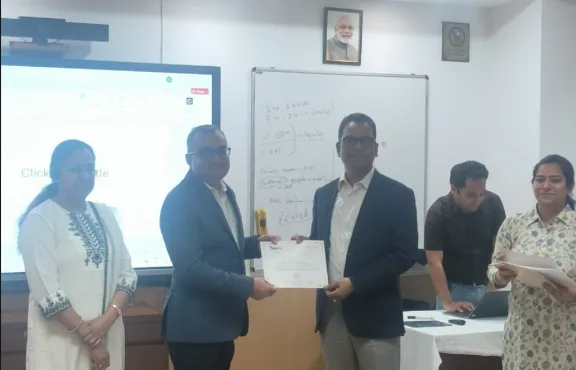
Honours & Awards Recognition

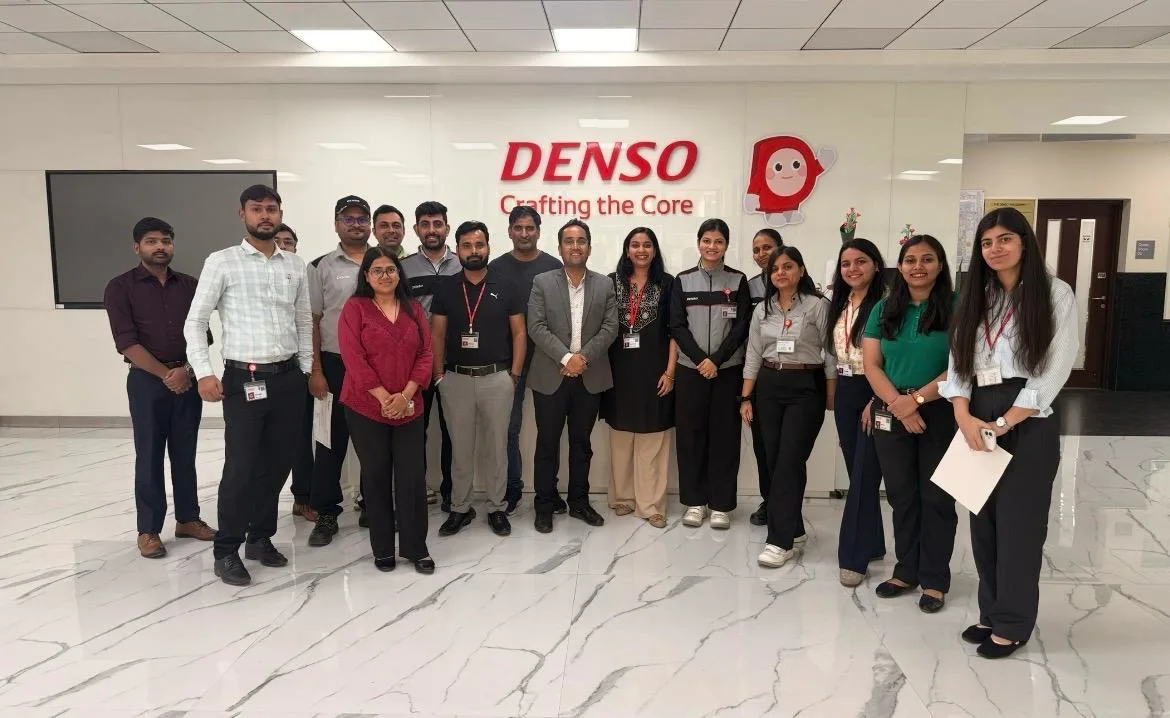
Denso International
Denso International
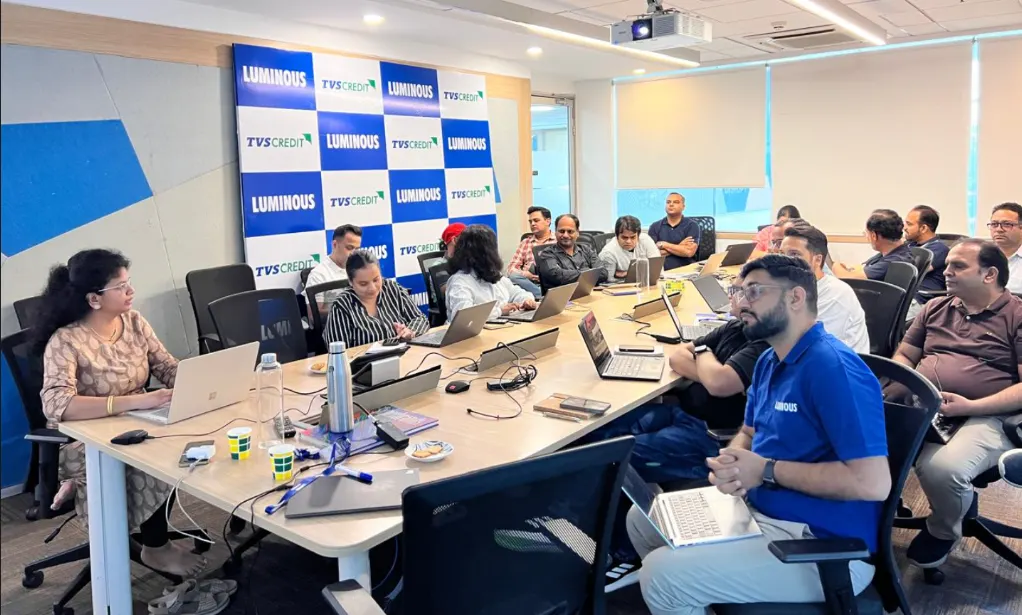
Luminous
Luminous
Bharat Petroleum
Bharat Petroleum
Toshiba Midea
Toshiba Midea
BryAir
BryAir
Awarded by GD Goenka University
GD Goenka University
Gyansetu conducted Power BI training for Livpure employees
Livpure
Gyansetu conducted Advanced Excel training for Denso International Employees
Denso International
Gyansetu conducted Full Stack Development training for ReverseLogix employees
ReverseLogix
Gyansetu conducted Advanced Java training for BML Munjal University students
BML Munjal University
Delivering Training To Wedapt
Gyansetu conducted workshop on Cloud Computing and Data Analytics for Manav Rachna University students
Manav Rachna University
Gyansetu conducted Java workshop for GLA University students
GLA University
Gyansetu conducted Data Analytics Workshop for DPGITM students
DPGITM
Certificate Issued to Gyansetu by GD Goenka University
GD Goenka University

FOR QUERIES, FEEDBACK OR ASSISTANCE

Contact Gyansetu Learner Support

Our Learners Testimonials

Khushi Tripathi
Highly grateful to Gyansetu for the top-notch SQL training. The extensive curriculum and hands-on experience were helpful for me in securing a role as a SQL Developer.
Lalit Singh
Joining Attero as an Operations Research Analyst, I credit Gyansetu for providing me with a supportive learning environment conducive to skill development. The institute's practical approach to learning and hands-on training sessions have equipped me with the analytical tools and techniques necessary to optimize operational processes and drive business growth.
Azhar Ali
With the excellent curriculum, dedicated instructors, and practical exposure, Gyansetu has been instrumental in helping me land a job as a Business Intelligence Professional. Thank you for providing such a wonderful learning experience and helping me achieve my career goals.
self assessment
Self Assessment Test

Learn, Grow & Test your skill with Online Assessment Exam to achieve your Certification Goals.

Frequently Asked Questions

Q1: What is Microsoft Azure and why should I learn it in 2026?

Azure by Microsoft is the cloud computing platform of Microsoft that provides over 200 services related to computing, networking, storage, database, artificial intelligence, DevOps, and security. Azure is ranked second in terms of market share for cloud services globally and is the leading cloud platform in the BFSI, healthcare, manufacturing, and IT Services industries of India. The annual growth rate of the cloud market in India is currently 26%, which has resulted in an estimated growth of 40% in the creation of employment in the cloud segment. All prominent IT service companies in Cyber City and Udyog Vihar of Gurgaon are moving their workloads to Azure and recruiting certified employees.

Q2: What is the salary of an Azure certified professional in Gurgaon?

Azure Professionals working in Gurgaon fall within three salary scales based on the certification obtained. Those possessing AZ-900 certification and entry-level workers receive ₹4-6 LPA in the field of cloud support and junior administrators. Those possessing AZ-104 certification in Azure Administrator have salaries between ₹8-18 LPA for middle career workers. The mean salary of an Azure Cloud Engineer in India is currently ₹6 LPA, but rapidly increasing with more practical experience (KnowledgeHut 2024). AZ-305 Certification in Solutions Architects earn ₹15-35 LPA as senior-level workers.


Q3: What is the difference between AZ-900, AZ-104, and AZ-305?

AZ-900 is called Azure Fundamentals, which is an introductory level exam that tests one’s fundamental knowledge about clouds and Azure solutions. Hands-on experience not needed. AZ-104 is Azure Administrator Associate, and it is considered the main professional level exam in Azure. It tests the hands-on abilities of one to manage Azure resources. Hands-on experience needed and this is the most sought-after Azure exam at IT companies in Gurgaon. The third is AZ-305, which is Azure Solutions Architect Expert certification. It focuses on designing architectures using Azure. Prerequisite of AZ-104 is necessary.

In case you do not have any cloud background whatsoever – then AZ-900 will be your starting point. The preparation time would take anywhere between 2 to 4 weeks. The cost for taking the exam will be ₹8,200 (approximately) in India. This test provides you the basics that you need which will make AZ-104 considerably easy for you. In case you work in the field of IT – system admin, networking, or development – then start directly with AZ-104.

No cloud knowledge is required to take AZ-900. On the other hand, according to Microsoft, one needs to have at least six months of Azure practical experience for AZ-104 exam; however, our training course is designed in such a way that one gains experience by working on live labs, so one gains practical experience in Azure in our training course. Any IT professional irrespective of their expertise in any particular area like system administration, networking, software engineering, or database administration finds it easier than a total beginner.

Azure certified professionals in Gurgaon are employed by companies spread out in 3 different domains: IT services providers, consultancies, and Global Capability Centers (GCCs). Companies which have an active hiring process for Azure positions are IT Services Providers like Tata Consultancy Services (TCS), Infosys, Wipro, HCL, Accenture, Ericsson, and IBM; who operate in Cyber City, Udyog Vihar, and DLF Phase. Consultants like Deloitte, KPMG, Ernst & Young (EY), and McKinsey hire Azure architects and security engineers to migrate and advise on cloud. More global companies are establishing their cloud infrastructure centers in Gurgaon.

However, Azure and AWS remain the biggest two cloud platform providers in the world, with approximately 23% market share for Azure and around 31% market share for AWS, based on Synergy Research Group 2026 figures. AWS enjoys wider adoption in startup and e-commerce organizations across the globe. However, in the case of enterprise and hybrid cloud, especially in India, Azure holds an upper hand, especially in organizations running Microsoft technology stack such as Windows Server, SQL Server, Active Directory, and Office 365. When it comes to the choice of cloud platform in Gurgaon for hiring from the perspective of large enterprise IT services firms and GCCs, Azure should win out.

AZ-104 – Microsoft Certified: Azure Administrator Associate – is the key professional certification related to Azure that an administrator must take in order to implement, maintain, and manage his or her Azure environments. This certification includes 5 domains, which are: Manage Azure Identities and Governance (20-25%); Implement and Manage Storage (15-20%); Deploy and Manage Azure Compute Resources (20-25%); Implement and Manage Virtual Networking (15-20%), and Monitor and Maintain Azure Resources (10-15%). There are 40-60 questions and 120 minutes allocated for the exam, and the minimum pass score is 700 out of 1000.

Role-based access control, which is also known as RBAC, is the access management tool that Azure uses to determine the permissions granted for each user to interact with Azure resources. Rather than provide general permissions for a particular Azure subscription, RBAC provides role assignments for the scope (subscription, resource group, or a particular resource). The reason why it is important is that it ensures the minimum privilege principle, meaning that each user or application is allowed to perform only necessary actions with Azure resources. RBAC topics will always be included in your AZ-104 exam and Azure administration interviews.

This training is completely designed to equip you with all knowledge needed for clearing AZ-900 & AZ-104 certification exams, which includes mock exams with real exam scenarios. Once the training is completed, you have to register yourself with Microsoft Pearson VUE portal and take exams from the India location only.

The Microsoft Azure Certification training program offered by Gyansetu at Gurgaon consists of modules starting with fundamentals, AZ-900, ending up with AZ-305 Architecture. There are two batches of classes available, one during weekends and another during weekdays for working professionals. Every session is videotaped for lifetime access.

The two certificates that you will receive from Microsoft Azure Certification Training offered by Gyansetu include a Gyansetu certificate of training which is listed at NASSCOM and which is awarded once you complete the final module of your course, verifiable at gyansetu.in in less than 60 seconds and recognized by IT services companies and multinational corporations in the Gurgaon areas of Cyber City and Udyog Vihar. The second one is a Microsoft Certified: Azure Administrator Associate AZ-104 or Azure Fundamentals AZ-900 badge from Microsoft after successfully undergoing certification.

frequently asked questions by students for courses

Find SQL Course Across India

Popular Cities

More Cities

Drop us a Query
+91-9999201478

Available 24x7 for your queries

Please enable JavaScript in your browser to complete this form.
Categories